Kumihimo Braiding Workshop in Kyoto
Description
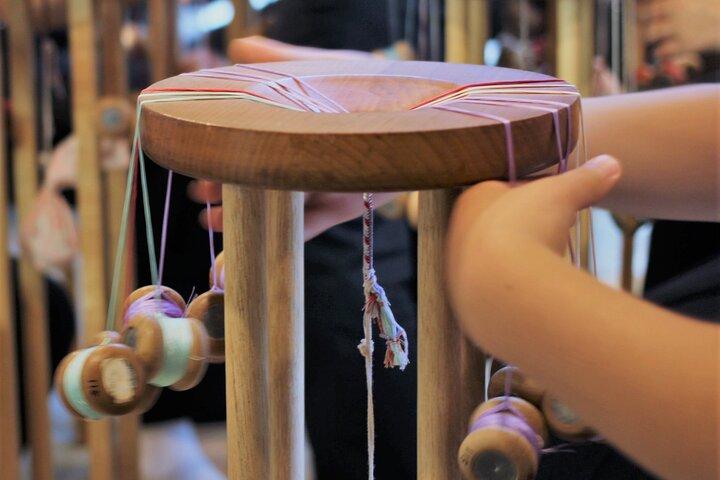
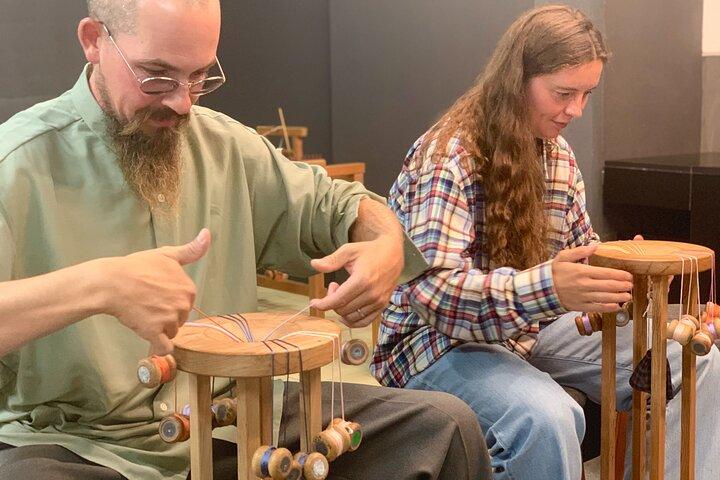
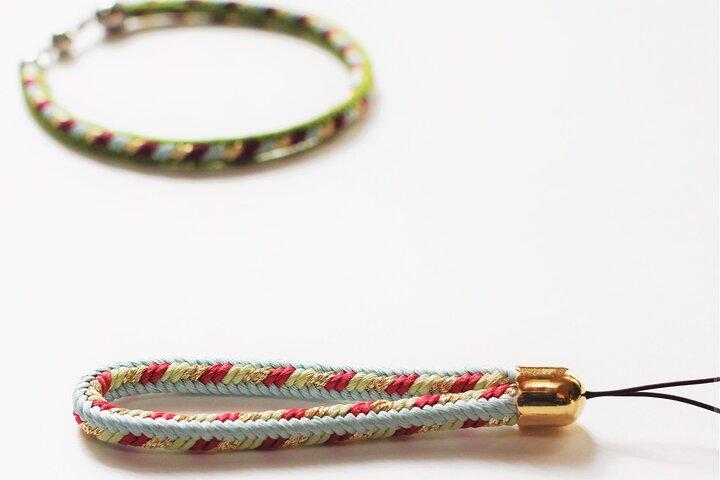
Discover the elegance of kumihimo, a traditional Japanese braiding art with centuries of history. This hands-on course invites you to experience the techniques that have been carefully passed down since the Edo period, while learning about the cultural significance and heritage of this craft. During the session, you’ll not only practice the braiding process yourself but also see authentic restoration materials and hear stories that reveal the artistry behind kumihimo. At the end, you can transform your finished braid into a keychain or bracelet — a personal piece of Japanese craftsmanship to take home as a meaningful keepsake. Relax with complimentary matcha tea while your completed creation is prepared for take-home. Reflect on your journey into Japan's most treasured textile tradition in our peaceful setting.
Tour Options
Highlights
What's included
Traveller Ratings
Important Information
- Public transportation options are available nearby
- Infants are required to sit on an adult’s lap
- Suitable for all physical fitness levels
Reviews(2)
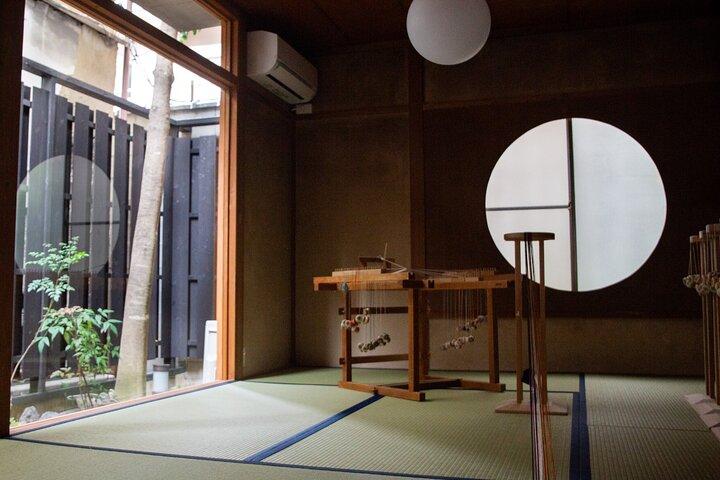
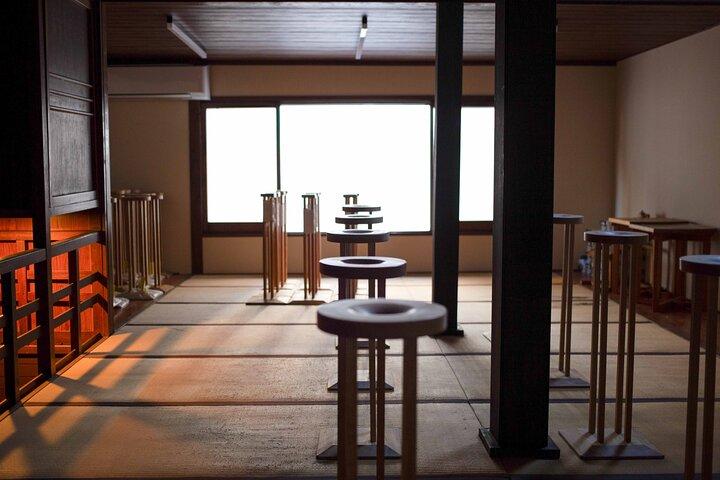
I loved this initiation of Kumihimo which lasted just over 2 hours in a beautiful setting. As a preamble, the history of these ancestral techniques and the house. Then the step by step initiation is completely accessible for beginners. Thank you for your patience and your requirement of the gesture that allowed a very nice rendering!
A brief history of the introduction of kumihimo to Japan, early uses of kumihimo, along with replica braids as seen in ancient drawings. The development of kumihimo in Japan, expansive design possiblities. Hands-on braiding, and explanation of the use of the marudai and tamas.