Mt. Fuji / Hakone Gateway | Authentic Tea Ceremony in Mishima
Description
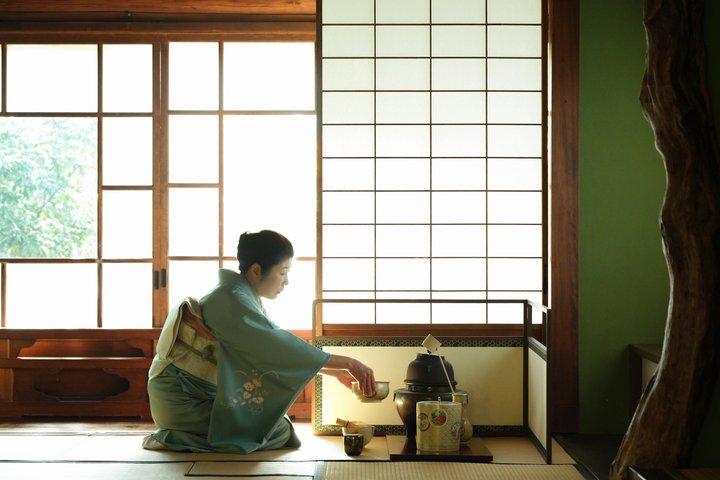
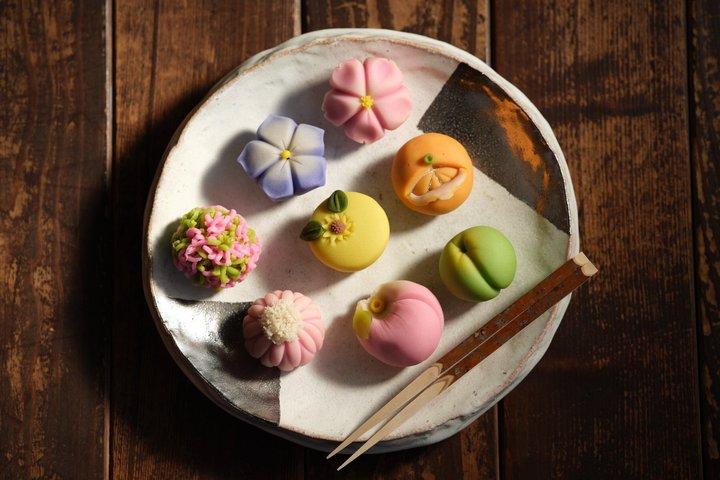
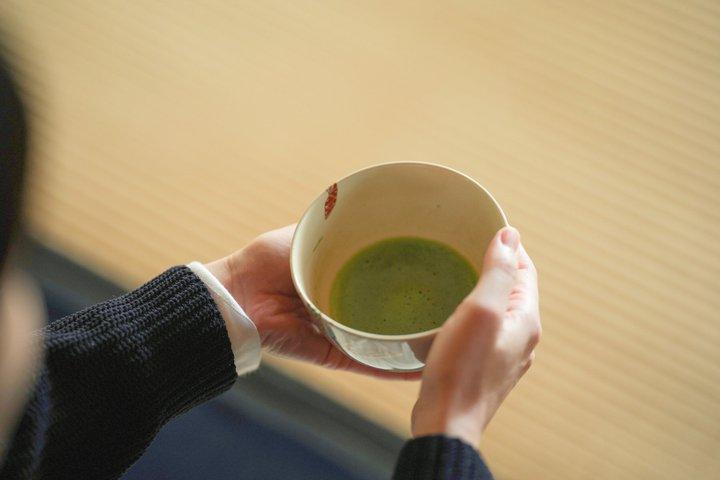
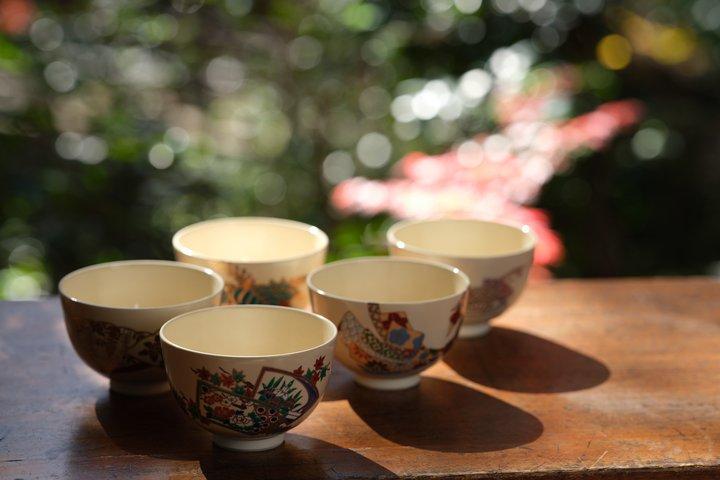
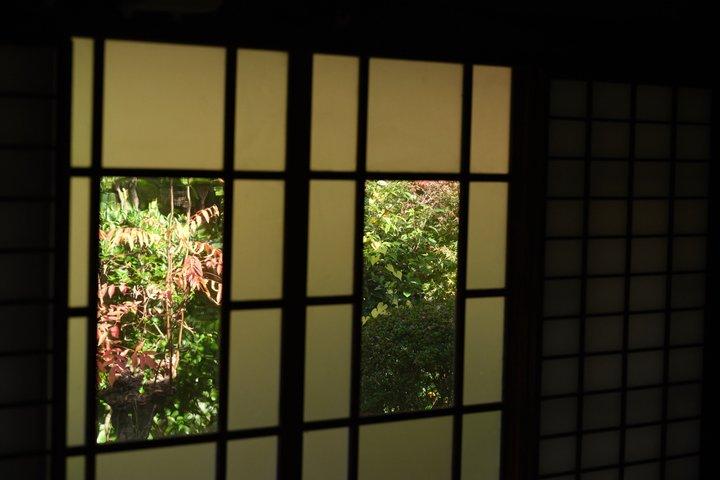
Enjoy an intimate tea ceremony inside Umegoten, a historic villa built in 1890 and designated as a Registered Tangible Cultural Property. With small groups, seasonal sweets, and expert guidance, your Taian (泰庵) experience offers a serene and personal encounter with Japanese tea culture in a timeless setting. Only 50 minutes from Tokyo and 6 minutes from Mishima Station, this tea experience takes place at Umegoten, a beautifully preserved historic villa set within the lush, forested grounds of Rakujuen Park. Its refined craftsmanship and seasonal landscape create the ideal setting for your tea ceremony experience.
Tour Options
Highlights
What's included
Traveller Ratings
Important Information
- Public transportation options are available nearby
- Not recommended for travelers with spinal injuries
- Not recommended for pregnant travelers
- Not recommended for travelers with poor cardiovascular health
- I can't sit in the seiza style, but can I still participate? Yes, we have chairs available.
- Socks are required when entering Umegoten and the tearoom. Please wear socks or bring a pair with you on the day of your reservation. Socks will also be available for purchase upon arrival, if needed.
Reviews(15)
It was the most amazing tea ceremony experience I have ever had. Walk through the garden of Rakujuen surrounded by fresh greenery to the Ume Palace, where you can feel the history that is usually not accessible. I felt that this tea ceremony experience started at the entrance of Rakujuen. After being given an introduction to the basics of the tea ceremony first, the teacher showed me the steps to take. Oh. I was moved by the beautiful gesture. A serene gesture in silence. It is a space where lean movement is beautiful and just soothing. I also had the opportunity to sit in front of a sickle. This is an experience I have never had before. I was able to enjoy a pleasant time with the gentle guidance of the teacher. One by one, the feeling of gratitude for the people who gathered naturally came out. Thank you for the wonderful experience.
I had a luxuriously special experience at the Mori (Rakujuen) that spreads right in front of the Shinkansen station! Her Imperial Highness's villa was a trivia-rich experience at every turn, even for someone who had no knowledge of tea ceremony. The sweets you prepared were also gentle and profoundly delicious. I also enjoyed the matcha I made myself for the first time in my life. Extraordinary. It was a great experience! Thank you very much.
I was amazed to discover such a peaceful and beautiful place just a few minutes’ walk from the Shinkansen station. 「Umegoten」 is a wonderful historic Japanese residence that captures the essence of traditional Japanese architecture. Simply spending time there, gazing out at the garden, was a special experience in itself. The tea ceremony offered much more than an introduction to tea etiquette. Through the experience, I naturally came to appreciate the importance of slowing down, being present in the moment, and showing consideration for others. By sharing a bowl of tea, I was also able to sense the Japanese concept of ma—the beauty of space, timing, and silence—as well as the meaning and intention behind each carefully performed gesture. This is a rare opportunity to experience the depth of Japanese culture in a way that ordinary sightseeing cannot provide. I would highly recommend it not only to international visitors, but also to Japanese people who wish to reconnect with the beauty of their own traditions.
I had the experience of making tea slowly in a historic building in Rakujuen. Of course the appearance of the building itself is stunning, but I was soothed by the quiet and luxurious atmosphere of the entire space, even the ikebana and hanging scrolls inside. The manners of the tea are also very easy to understand, so you can enjoy the time to make your own matcha without feeling nervous. I'm also happy to receive memorial photos of the experience so I can watch them later. It is a really recommended place if you want to spend a particularly calm time in Mishima or if you want to casually experience Japanese culture.
Rakujuen, a nationally designated natural monument and place of scenic beauty, is located in front of Mishima Station. The tea ceremony experience at the Ume Palace, a registered tangible cultural property in the park rich in nature associated with the Imperial Family, was a very meaningful and refreshing time where you can always feel the hospitality in a relaxed atmosphere. On the day, we were greeted by our husband at the entrance and listened to the explanation of the seasonal flowers as we passed through the courtyard. They were well-mannered to pick up at the entrance, and on their way to the tea room, they were given an explanation of the building, and in the tea room, the flow of the program and manners. The experience began with an explanation of Japanese sweets, but unlike before, we were able to enjoy the scent and even the "sound" in the silence. Even the tea-making session was quiet and resonant with the five senses. I used to shy away from being too accessible, but it was a great experience to prepare my mind and realize a lot.
Life gardens often come, but Tai Temple is like a secret realm and never gets involved. This time it was a friend who introduced us to the tea show project through viator, and the owner and his wife personally greeted and showed us this small garden hidden in the royal gardens. The Japanese tea culture originated in China, was developed and derived from the unique harmony tea culture. From dress to manners, to tea utensils and choice of tea leaves, the order of making tea is very careful. The Japanese tea culture demands the most detail, and as someone who already knows a certain amount about Chinese tea ceremonies, it's also an entirely new experience. It's worth mentioning that there are plenty of things to enjoy in the Japanese tea ceremony, but at Taemun you can try and make your own cup of anointed tea, which has never been experienced anywhere else and is highly recommended. I would recommend to foreigners interested in Japanese tea culture the opportunity to come over and experience it for themselves. The cool fresh air, tasteful tea rooms, healing views, and hospitality from the host are well worth it.
As my very first experience with the Japanese tea ceremony, it was incredibly rewarding and profoundly deepened my understanding of Japanese tea culture. What surprised me most was the location. The tea room is tucked away in a secluded, inconspicuous courtyard inside Rakujuen Garden that is normally closed to the public, giving the experience an exclusive and hidden-gem feel. Here, you can not only appreciate an authentic tea ceremony but also take in the exquisitely elegant views of the traditional garden. Just being in this beautiful environment completely refreshes the mind and soul. I was deeply impressed by our host, who guided us through the entire process with fluent English, providing detailed explanations and insightful cultural breakdowns without any language barrier. We later learned that before his retirement, he was a senior executive in the biopharmaceutical industry and later taught at a university. Now, he dedicates his retirement to helping international guests connect with Japanese tea culture. Such a knowledgeable and passionate gentleman truly commands the greatest respect. Unlike other standard, rushed tea demonstrations, this experience uniquely features a hands-on practice session where guests can try whisking the tea themselves. Being able to do it firsthand under the teacher's patient guidance added an immense sense of engagement and fun. Sitting quietly in the traditional tatami room and watching the teacher’s graceful, fluid movements of preparing the tea—with nothing but the sound of the wind and the pouring water in the air—brought a deep, indescribable sense of Zen. In that moment, it felt as though I had traveled back through the long river of Japanese history, and time itself had slowed down. If you want to experience a truly profound, warm, and ritual-rich taste of Japanese tea culture in Shizuoka, this place is an irreplaceable and perfect choice. Highly recommended!
It was a great experience. Opportunities for in-depth understanding of Japanese culture. Tea originated in China and was brought back to Japan by high-ranking Japanese monks, who promoted it as a culture unique to Japan. First, in this Hakone area, it is possible to calm down and enjoy the leisure and happiness of slow-tasting Kyoto Uji tea. At Le Shou Garden, a former royal villa, it's as if time has travelled to ancient Japan. From the moment we enter the tea room, KOUHEI San, dressed in traditional Japanese clothing, introduces us to this once-Royal Tea Room, tatami, in easy English. The smell and the new green outside the window, admittedly restless mood, instantly calmed down. And then the precious tea set used in the next tea ceremony, at close range into the eye, the Japanese culture and art that coalesced under the heart and soul of the craftsmen is really an eye maintenance. Yasuko Tea Ceremony teacher made us rag tea, is such a delicacy. I wonder if you can make a drink like that, too? It really came true, under the attentive professorship of Yasuko Tea Ceremony teacher, I really had to make my first cup of Yuji shampoo tea, delicious, delicious. Thank you to the two hospitable and hospitable teachers of Taimone for giving me such a deep understanding of Japanese tea ceremony culture.
If you don't know how to tea ceremony, don't worry if you're not good at sitting in seiza. A teacher with a formal tea ceremony certificate will guide you gently. Houses that are also tangible cultural properties remind me of the bygone life of Japan. It was a refreshing experience to taste the culture of wabi-sabi in the fresh greenery and tranquility of May.
The participants were able to understand the background and history of how the daily act of drinking tea was developed into the tea ceremony, which is based on hospitality and etiquette, with easy-to-understand explanations, which increased their affinity for the tea ceremony. And above all, it was a good experience to fully enjoy the taste of matcha.