Madrid in War: Civil War, Guernica and World War II
Description
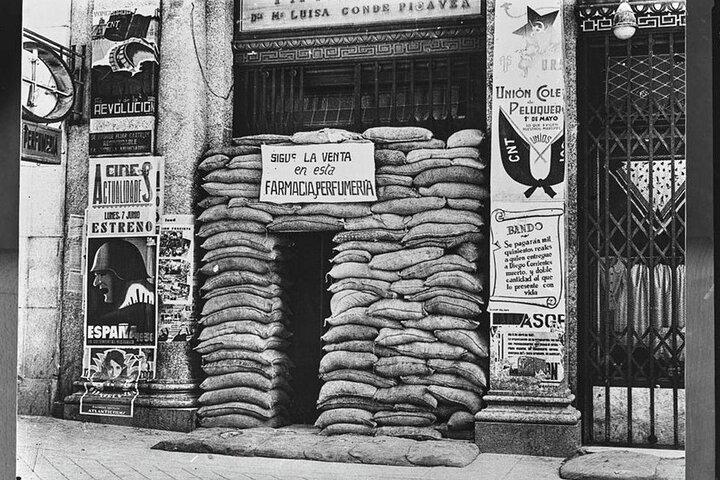
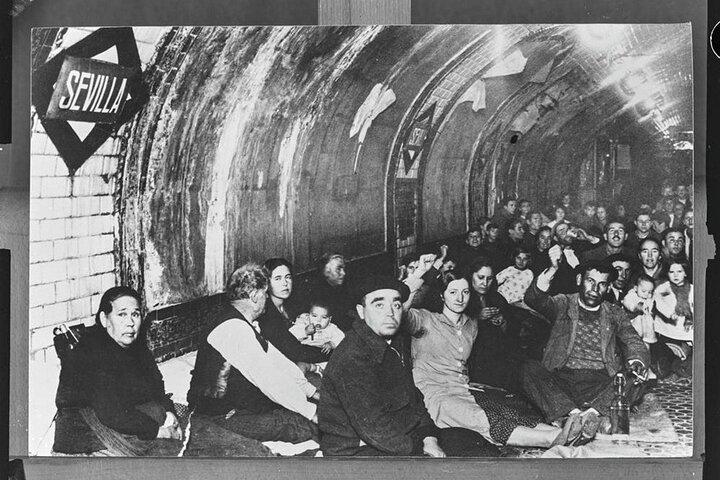
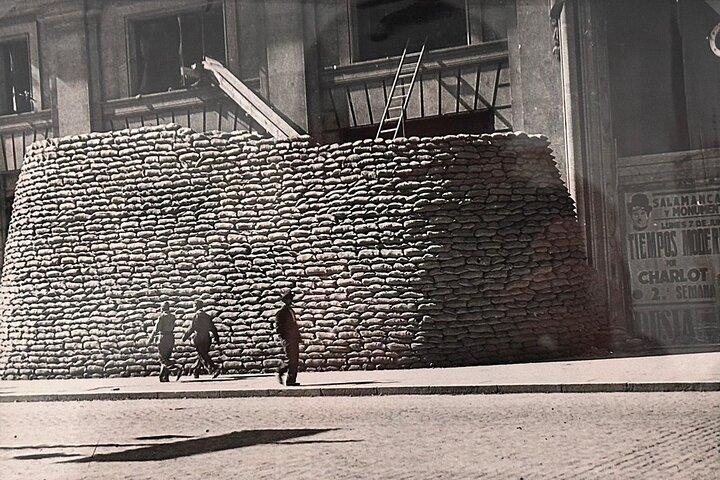
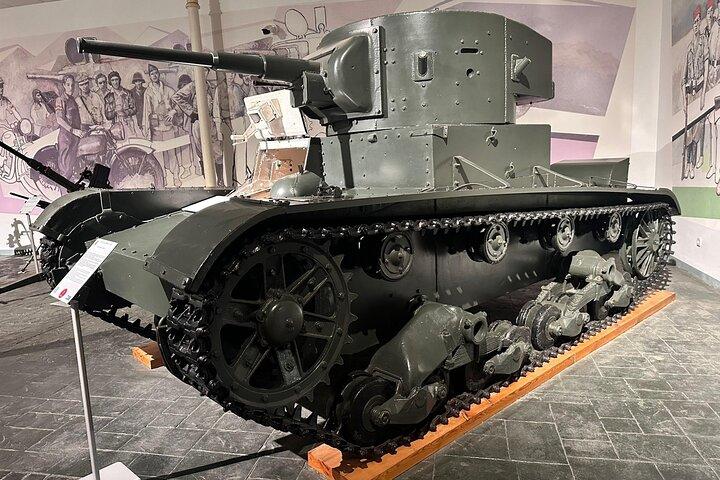
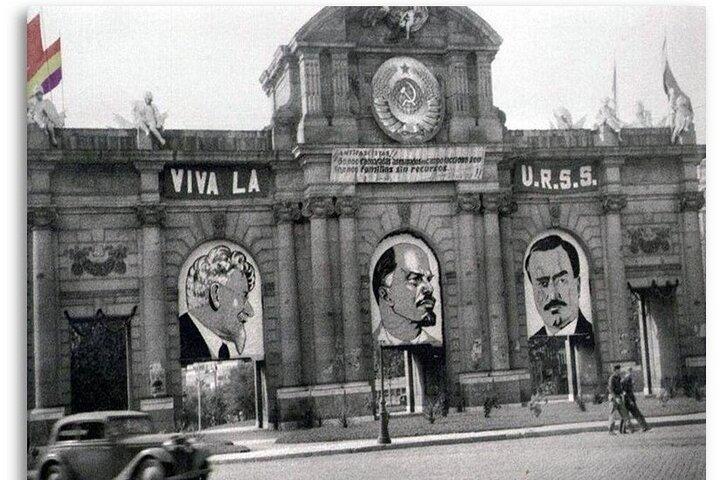
For 863 days Madrid was besieged and bombed, turned in laboratory of modern warfare that preceded the Second War World Cup. You will explore the real scenes of the Civil War Spanish: Plaza Mayor, Puerta del Sol, Gran Via under the bombs, the Mountain Barracks, the Western Park with their trenches and the Temple of Debod next to the old line of the front. You will see facades with shrapnel impacts and places that changed the history of Spain and Europe forever. We are the No1 company on TripAdvisor Madrid among more than 1,200 tourism companies, with the Best of the Best Award for 8 consecutive years — only 1% of experiences in the world Get it. More than 20,000 reviews support more than 10 years Madrid with travelers from all over the world. Small groups, maximum 25 people per guide. When booking you receive our guide to Madrid by WhatsApp. At the end, you Guide recommends where to eat and what not to miss.
Tour Options
Itinerary
Under its monumental and touristic appearance, Plaza Mayor hides stories of fear, resistance and survival. At this point in the tour, the guide will reveal how this emblematic space was lived during the Civil War, what happened between its portals and why it was a key place to understand Madrid at war. A story that completely transforms the way you will look at this square again.
Under the clock that sets the pace for Spain, Puerta del Sol was the scene of crucial decisions and extreme experiences during the Civil War. At this point in the tour, the guide will reconstruct how one lived here while bombs fell on the city, which buildings were key and why this place better symbolizes the resilience of the besieged Madrid than any other.
Where there are cinemas and bright screens today, during the Civil War the world’s gaze was focused. In Callao, in front of the old Florida Hotel, journalists and correspondents narrated the siege of Madrid as bombs fell on the city. At this point in the tour you will discover how it was reported from the urban front and why this place was key to understanding the international dimension of the conflict.
Under its monumental facades, Gran Via was a real front line. During the Civil War, bombs, sirens and ruined buildings were part of the daily life. At this point in the tour, the guide will reconstruct how this strategic avenue survived and why Gran Vía became one of the symbols of Madrid that resisted under the pumps.
Where once there were classrooms and students, the war imposed a new reality. The Santa Teresa Institute represents how the Civil War altered the daily lives of thousands of Madridians, transforming learning spaces into places marked by urgency, fear and the need to resist.
In front of the Royal Palace, the Plaza de Oriente symbolized power in a besieged city. During the Civil War, this space was the scene of constant tension, where the symbolic value of the place was as important as its strategic position. An endpoint that helps to understand how the war was also fought on a political and symbolic level.
Very close to the institutional heart of Madrid, Guernica’s name recalls one of the most shocking episodes of the Civil War. At this point in the tour, the guide will explain why the bombing shocked the world, how it was used as a symbol of politics and denunciation, and what role it played in the historical memory of the conflict beyond the battlefield.
In the midst of conflict and polarization, the Church of the Carmelites recalls that the Civil War was also experienced in the religious sphere. This space allows us to reflect on the social fracture, persecution, fear and transformation of places destined for wartime collection
Here the fate of Madrid was decided in the early days of the Civil War. The Mountain Barracks was the scene of one of the most violent and decisive episodes of the beginning of the conflict, a point where history changed irreversibly and that allows us to understand how the war really began in the capital
After touring the bombed and besieged Madrid, the Temple of Debod offers a space for final reflection. Surrounded by a landscape marked by the history of the conflict, this place symbolizes the passage of time, memory and reconstruction of a city that survived the war
From this viewpoint you can understand why Madrid was a besieged city. Face to face with the line of combat, the guide will reconstruct how the defense was organized, what was seen from here during the war and how the closeness of the front marked the pace of life of the entire city
Where today there are trails and gardens, during the Civil War there were trenches and fighting. The Parque del Oeste allows us to visualize the intensity of the Battle of Madrid and reflect on how the city transformed ancient battlefields into spaces of memory and coexistence
Highlights
What's included
Traveller Ratings
Important Information
- Wheelchair accessible
- Infants and small children can ride in a pram or stroller
- Service animals allowed
- Public transportation options are available nearby
- Transportation options are wheelchair accessible
- All areas and surfaces are wheelchair accessible
- Suitable for all physical fitness levels
Reviews(1)
Luis, nice and great professional, very pleasant and enriching tour.