From Madrid: Private El Escorial and Valley of the Fallen tour
Description
Unlock the secrets of Spanish history on a profound half-day journey to two monumental sites. Step inside the majestic Royal Monastery of El Escorial, a UNESCO World Heritage site that is far more than a monastery—it’s a royal palace, basilica, and the final resting place of kings. Then, ascend to the thought-provoking Valley of the Fallen, a colossal memorial that commands reflection. With a dedicated bilingual host and premium transportation, this private tour is tailored to your curiosity, offering a deep and personalized exploration of Spain’s complex legacy. Here’s what makes this private tour special: - All About You: Hotel pickup, private vehicle, and a flexible schedule. - A Host, Not Just a Driver: Get local secrets, from the best photo ops to the tastiest food. - Seamless Sightseeing: We handle the logistics while you explore, so you get more magic, less waiting.
Tour Options
Itinerary
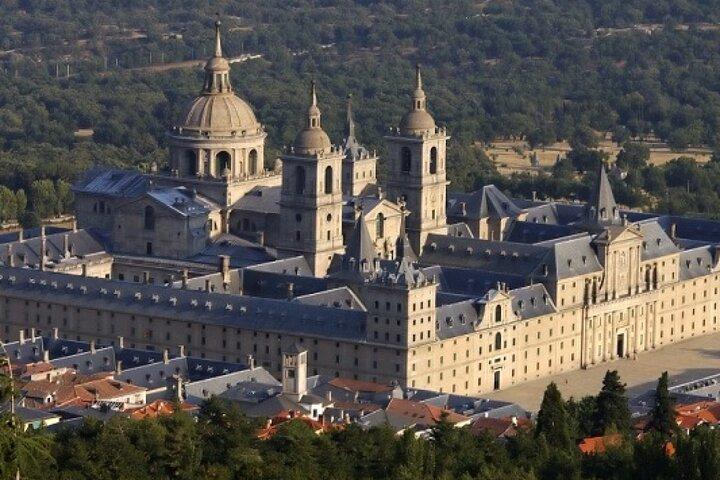
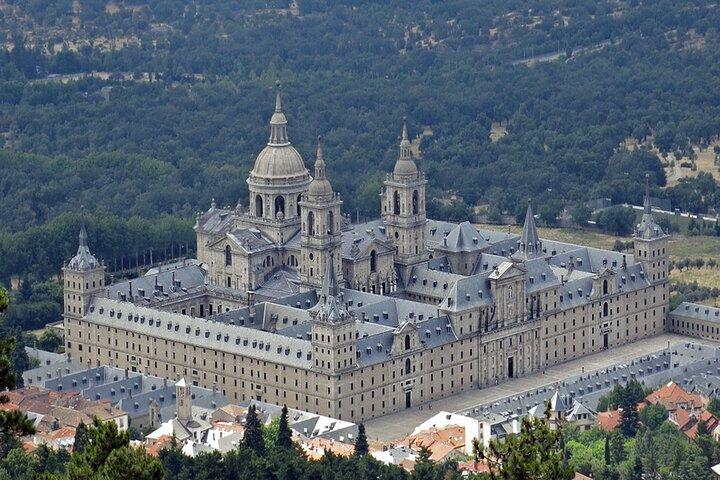
Located in the town of San Lorenzo de El Escorial, near Madrid, is an architectural marvel and an emblematic symbol of Spanish power and influence during the Renaissance. Built between 1563 and 1584 under the reign of King Philip II of Spain, the monastery served as a royal palace, a mausoleum for Spanish monarchs, a church, and a monastery for monks of the Hieronymite order. Its design, reflects the fusion of Renaissance and Spanish architectural styles. Inside, the monastery boasts an impressive collection of art, including works by renowned Spanish painters such as El Greco, Titian, and Velázquez. The highlight of the complex is the Royal Pantheon, a vast underground crypt where the remains of Spanish monarchs dating back to Charles V are interred. El Escorial's library is also noteworthy, housing thousands of rare manuscripts and books, making it one of the most important libraries in Spain.
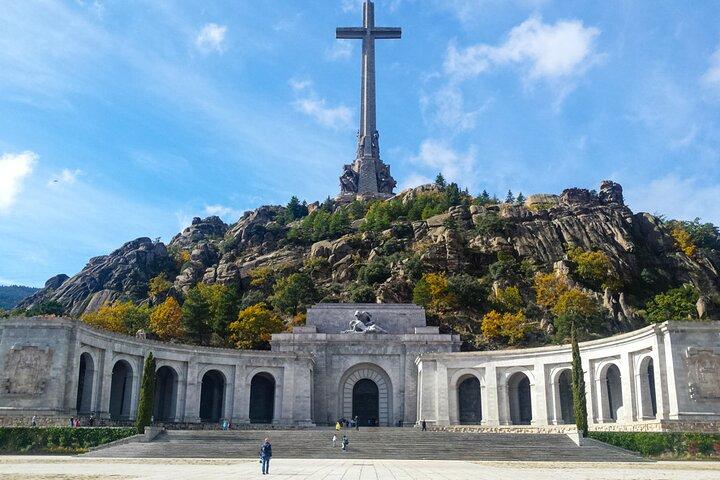
The Valley of the Fallen, or Valle de los Caídos in Spanish, is a monumental complex located near Madrid, Spain, that holds significant historical and cultural importance. Constructed between 1940 and 1958 during the dictatorship of Francisco Franco, it was intended as a memorial to those who died during the Spanish Civil War.
Highlights
What's included
Pickup Locations & Times
If your accommodation is located in a restricted area (such as pedestrian-only streets or limited vehicle access zones), we will coordinate a nearby meeting point for your convenience.
Important Information
- Specialized infant seats are available
- Infants and small children can ride in a pram or stroller
- Service animals allowed
- Public transportation options are available nearby
- Suitable for all physical fitness levels