Rome Etruscan Museum of Villa Giulia
Description
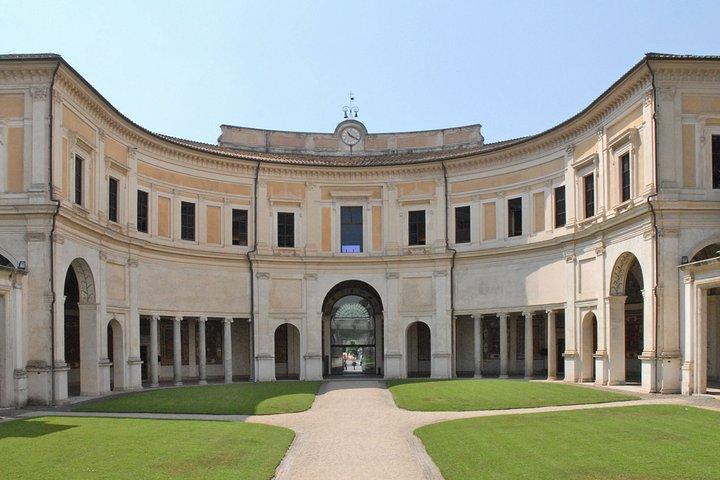
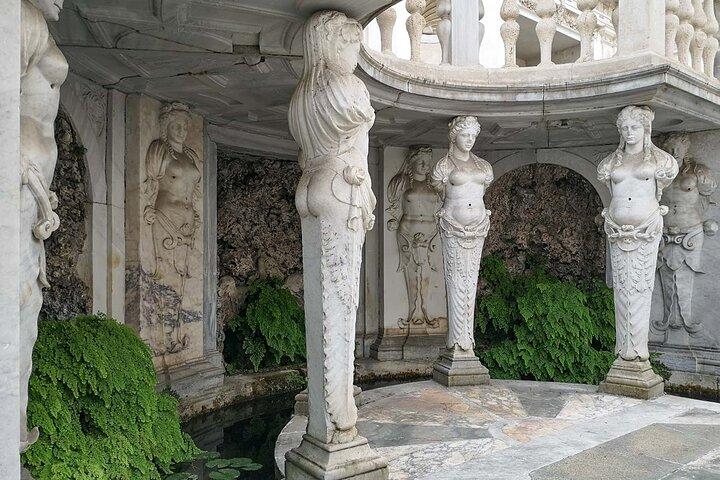
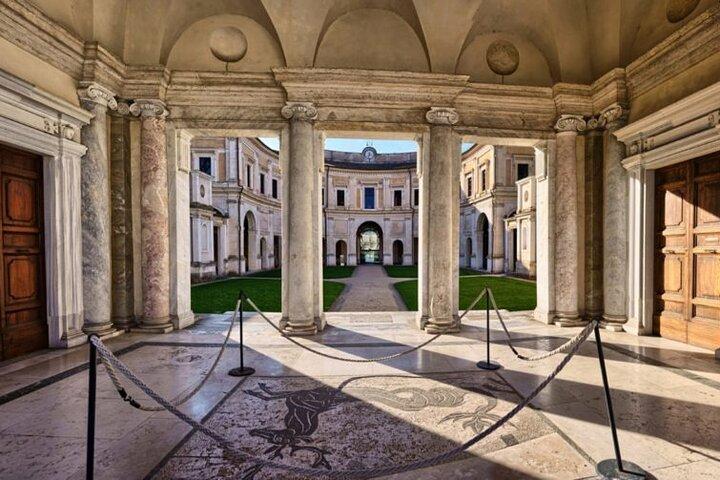
The Museum of Villa Giulia was born in 1889 on the initiative of Felice Barnabei (1842-1922), archaeologist and political Italian, based on a coherent program of archaeological explorations. The new concrete prospects generated by the impending enlargement of the Museum of Villa Giulia are illustrated in the panels to the right of the entrance and modern windows with windows that open out on the Villa Poniatowski to accommodate an extensive review of materials recently acquired. It is mostly fine ceramics of different age and production, sometimes real masterpieces, stolen by tomb robbers, they have been returned from major museums and private collectors in the United States as a result of a complex operation promoted by Italy. Alongside these include other important objects from seizures ordered by the judiciary as a result of brilliant operation conducted by the Police Command for the Protection of Cultural Heritage.
Tour Options
Itinerary
Visitors will admire the most important museum of Etruscan civilization wich includes not only some of the most important creations of this civilization, but also Greek products of the highest level.
Highlights
What's included
Traveller Ratings
Important Information
- Wheelchair accessible
- Infants and small children can ride in a pram or stroller
- Public transportation options are available nearby
- Infants are required to sit on an adult’s lap
- Transportation options are wheelchair accessible
- Suitable for all physical fitness levels
Reviews(19)
There are few indications on the meaning of the first visit is excellent. The centerpieces the sarcophagus was missing
We enjoyed learning about the history of the Etruscans. Very insightful and lots to see. Would definitely recommend the experience
don't waste your money! buy the tickets directly same day at the museum. we paid 3x what it would have cost to enter the museum and the audio did not work.
The museum is beautiful and deserves 5* but the staff is made up of bums. Assuming that from Google search the closing time is scheduled at 7.30 pm, the control staff at the rooms begins to turn off the lights at 6.30 pm. Visiting the museum and the entire garden outside takes about an hour and a half and, in our case, entered at 5.45 pm, we found ourselves inside the museum by 6.15 pm, pushed running in the dark, out of everything by 7 pm (half an hour before closing ). To visit only in the morning and highly recommended after 7.00.
Absolutely great museum, which is “luckily” missed by the masses. Great collection, nicely displayed, and in an awesome building. Nice and quiet, and learned more of the Etruscans to appreciate them more. And now I’m interested in more of their history, which is the main goal of a museum. All considered a under appreciated gem in Rome.
They did not except our tickets. They called it a scam. Very frustrating, especially since we were really looking forward to it.
good morning, access is possible only by showing official tickets provided by us. Any other documents (copy of payment, Viator receipt or other) do not allow entry to the monuments.
I like history that makes you feel connected to people and how they viewed life and lived it, and this venue does it with the Etruscans. It shows how vibrant and whole their presence and culture was before they got swallowed up by Rome, but also how big an influence they were on their eventual conquerors. Looking at their faces on their art cinched the connection.
Visit to a very educational museum, bem cared for in every aspect. They even have an Etruscan tomb, not to mention the precious jewels, vases and other precious artifacts.
This large Museum displays Etruscan antiques and is the largest in the world doing so. To some extent many of the artifacts shown appear derived from Greek models.
See mostly funeral vessels with exquisite detail in painting, ibexes, lions, and greater part of our inherited mythology with Hercules, Cerberos, Gorgonas.. You can admire bronze votive statuettes and incredibly detailed rooftiles intended to decorate etruscan temples. You will descend into a mockup of a burial chamber of one of the etruscan tumuli to witness the grave goods layout. in the first floor you will get a glimpse at etruscan maritime trade links. All this conveniently compared with major events of the Greek and Roman cultures. of course, if you're more into the "panem et circenses" then you are not the target audience and you'd be wasting your time here. the museum is conveniently accesible through the adjacent park. most of the museum is equipped with lifts to negotiate the stairs, so -mostly wheelchair accesible.