Luxor Tours: Habu Temple & Valley of Workers and Queens
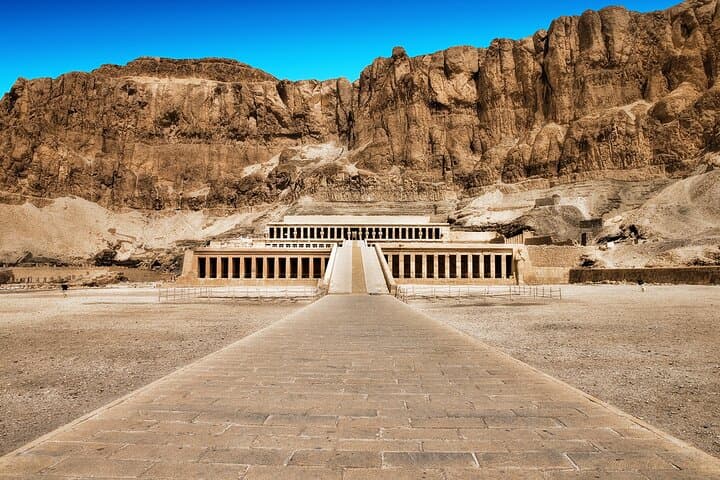
Description
Luxor Tours offers a unique exploration of ancient Egyptian history with our Habu Temple & Valley of Workers and Queens package. Immerse yourself in the rich culture and architectural marvels of Luxor as our knowledgeable guides take you on a journey through these historic sites.
Tour Options
Itinerary
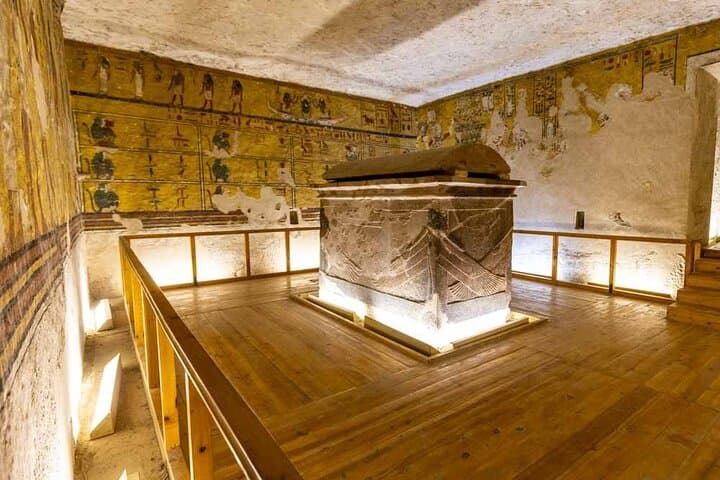
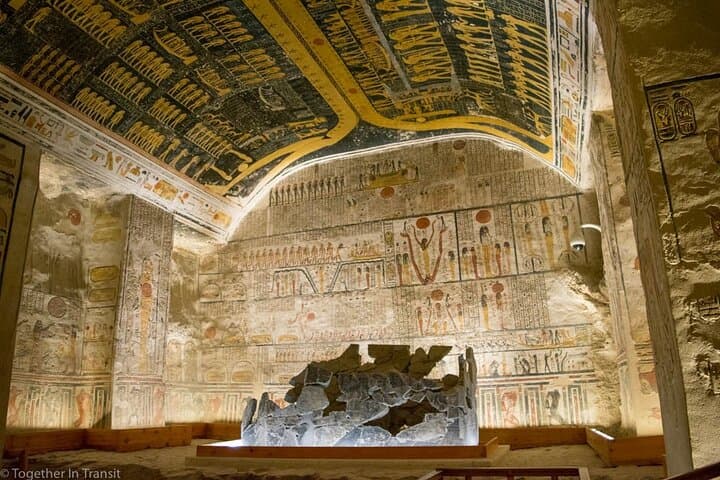
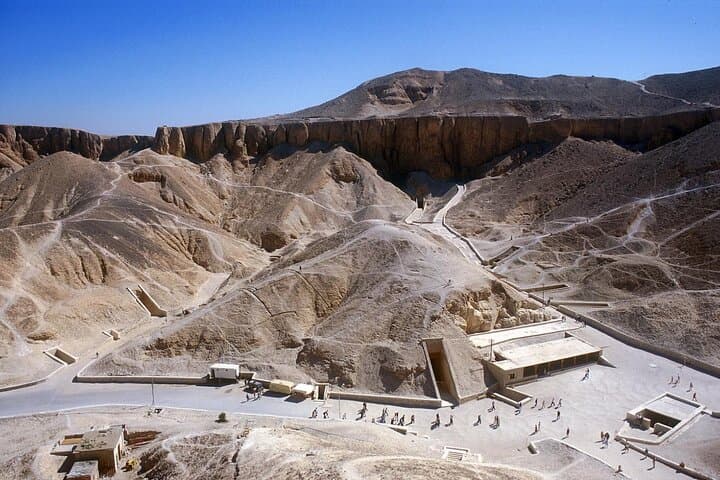
The Valley of the Kings (Egyptian Arabic: وادى الملوك Wādī el-Mulūk; Coptic: ϫⲏⲙⲉ[Džēme [ˈʃɪ.mæ]), also known as the Valley of the Gates of the Kings (وادى ابواب الملوك Wādī Ebwāb el-Mulūk), is an area in Egypt where, for a period of nearly 500 years from the Eighteenth Dynasty to the Twentieth Dynasty, rock-cut tombs were excavated for pharaohs and powerful nobles under the New Kingdom of ancient Egypt. It is a wadi sitting on the west bank of the Nile, opposite Thebes (modern-day Luxor) and within the heart of the Theban Necropolis. There are two main sections: the East Valley, where the majority of the royal tombs are situated; and the West Valley, otherwise known as the Valley of the Monkeys.
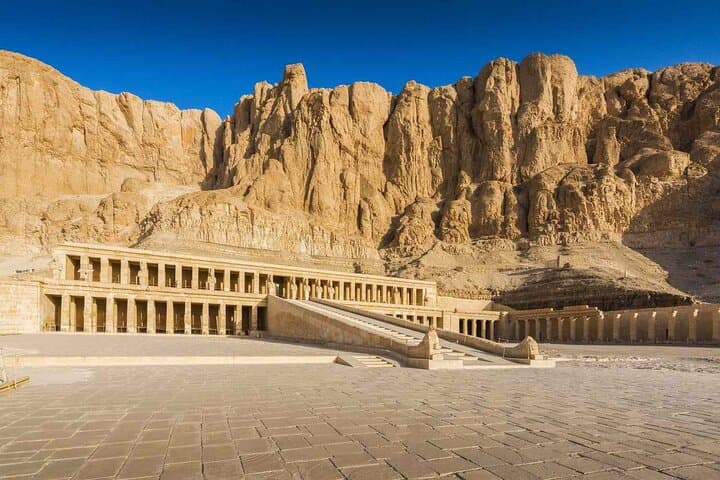
Medinet Habu (Arabic: مدينة هابو, romanized: Madīnat Hābū; Ancient Egyptian: ḏꜣmwt; Sahidic Coptic: (ⲧ)ϫⲏⲙⲉ, ϫⲏⲙⲏ, ϫⲉⲙⲉ, ϫⲉⲙⲏ, ϫⲏⲙⲓ; Bohairic Coptic: ϭⲏⲙⲓ)[1] is an archaeological locality situated near the foot of the Theban Hills on the West Bank of the River Nile opposite the modern city of Luxor, Egypt. Although other structures are located within the area and important discoveries have also been made at these sites, the location is today associated almost synonymously with the largest and best preserved site, the Mortuary Temple of Ramesses III.
Deir el-Medina (Egyptian Arabic: دير المدينة), or Dayr al-Madīnah, is an ancient Egyptian workmen's village which was home to the artisans who worked on the tombs in the Valley of the Kings during the 18th to 20th Dynasties of the New Kingdom of Egypt (ca. 1550–1080 BC).[1] The settlement's ancient name was Set maat ("Place of Truth"), and the workmen who lived there were called "Servants in the Place of Truth".[2] During the Christian era, the temple of Hathor was converted into a Monastery of Saint Isidorus the Martyr (Coptic: ⲡⲧⲟⲡⲟⲥ ⲙ̄ⲫⲁⲅⲓⲟⲥ ⲁⲡⲁ ⲓⲥⲓⲇⲱⲣⲟⲥ ⲡⲙⲁⲣⲧⲉⲣⲟⲥ)[3] from which the Egyptian Arabic name Deir el-Medina ("Monastery of the City") is derived.[4]
Highlights
What's included
Important Information
- Public transportation options are available nearby
- Specialized infant seats are available
- Suitable for all physical fitness levels