Tokyo War History Tour: Yasukuni Shrine & War Museum
Description
This tour is not a simple visit to Yasukuni Shrine and the Yushukan Museum. It is a structured exploration of how modern Japan remembers war. Led by a knowledgeable guide, the experience provides historical context from multiple perspectives, helping visitors understand the political, religious, and cultural dimensions of these sites. Rather than promoting a single narrative, the tour encourages critical engagement with the exhibits and the broader debates surrounding war memory in Japan. For those selecting the extended option, the inclusion of Chidorigafuchi National Cemetery offers a rare opportunity to compare religious enshrinement at Yasukuni with the state-administered memorial system—an essential contrast for understanding postwar Japan. Designed for thoughtful travelers, researchers, and those with a serious interest in history, this private tour offers depth, balance, and intellectual clarity that standard sightseeing experiences cannot provide.
Tour Options
Itinerary
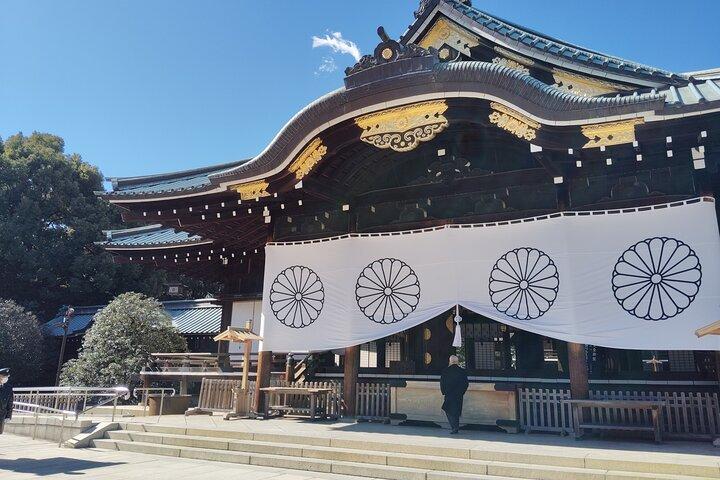
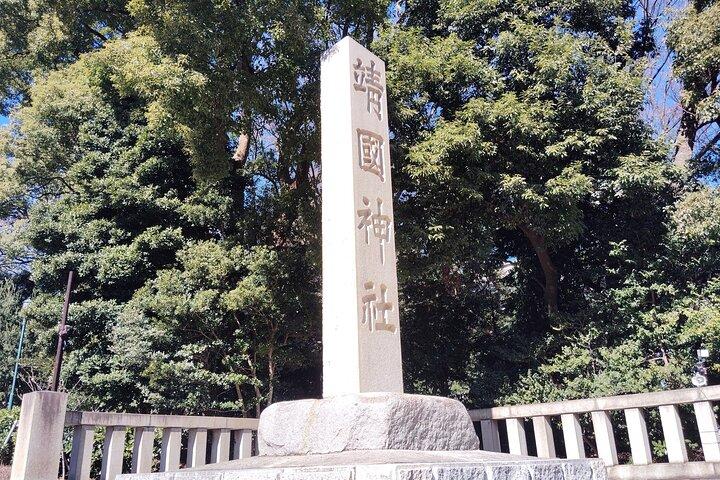
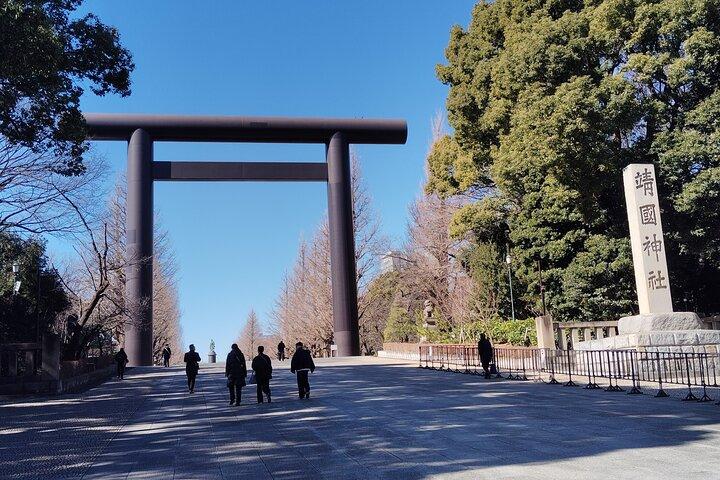
Yasukuni Shrine, located in central Tokyo, was established in 1869 to commemorate those who died in conflicts from the Meiji Restoration through the Asia-Pacific War. Unlike most Shinto shrines, Yasukuni enshrines the spirits of war dead rather than a traditional kami, making it a unique institution in Japan’s religious and political landscape. The site has become central to debates about war memory, state Shinto, and postwar reconciliation. Visiting Yasukuni Shrine offers insight into how Japan has remembered, interpreted, and ritualized its modern military past.
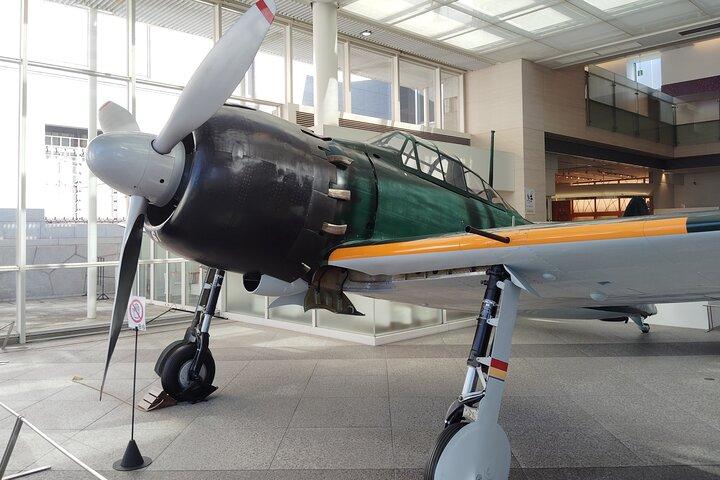
The Yushukan War Museum, situated within the grounds of Yasukuni Shrine, presents a narrative of Japan’s military history from the late Tokugawa period to World War II. Its exhibitions trace the formation of the modern Japanese state, the influence of samurai ethics, and the expansion of imperial Japan. The museum is known for its interpretive framing of the Asia-Pacific War, making it an important site for understanding how historical memory is constructed and conveyed. For visitors seeking a deeper grasp of Japan’s wartime experience, the Yushukan provides essential context—both historical and historiographical.
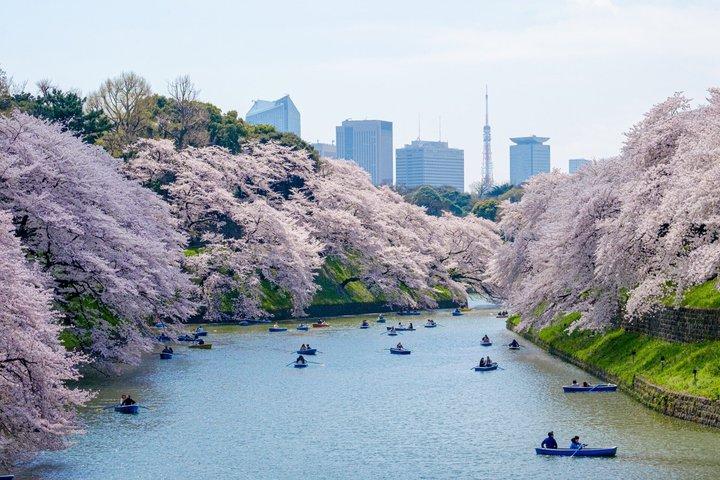
Chidorigafuchi National Cemetery is a secular memorial established in 1959 to honor unidentified war dead repatriated from overseas battlefields. Unlike Yasukuni Shrine, it is administered by the Japanese government and does not enshrine spirits according to Shinto rites. The contrast between Chidorigafuchi and Yasukuni highlights differing approaches to remembrance in postwar Japan—religious enshrinement versus state memorialization. Visiting both sites offers a broader understanding of how modern Japan commemorates loss, responsibility, and national history.
Highlights
What's included
Traveller Ratings
Important Information
- Public transportation options are available nearby
- Suitable for all physical fitness levels
Reviews(5)
The tour was amazing and very informative. Kyo was our guide. He was extremely knowledgeable. I cannot say enough good things about him. I highly recommend this tour.
Takashi was a fantastic guide who answered all of my questions and did not shy away addressing the most complicated aspects of Japanese military history. It is no secret that the Yasukuni Shrine and the Yushukan museum are controversial internationally. The exhibitions at the Yushukan museum present perspectives, that may provoke intense emotions for international visitors, especially in regards to how kamikaze fighters are memorialized. I was impressed with not only how patient Takashi was, but also receptive and eager to learn about my perspective as an American. I would encourage anyone who has a deep desire to truly understand the Japanese perspective about their military history to book a tour with Takashi.
We had a great tour with Takashi. We enjoyed the in depth history lesson on Japan from the shogunate through the Meiji period. We also enjoyed the explanation of the place of Shinto and Buddhism in Japanese culture. We had a fantastic morning and highly recommend this tour if you want to learn about Japanese history and culture.
Kyo was the best guide. His English is perfect. The tour was much more than expected. It covered the entire Meiji period not just the Second World War. Kyo also provided excellent information about Japanese shrines. It was a great experience. Thanks!
This was a fantastic tour of the shrine and the museum in addition the private tour gave us insight into different aspects like the garden and the flower arrangements and their significance. Very pleasant day