The Murano Glass Museum in Venice
Description
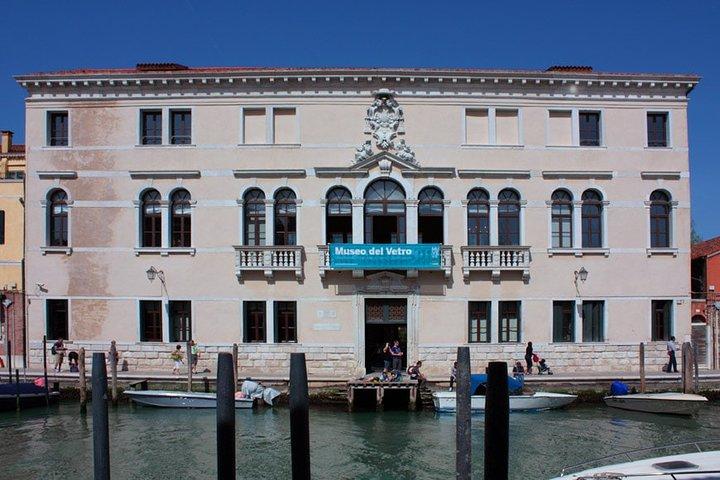
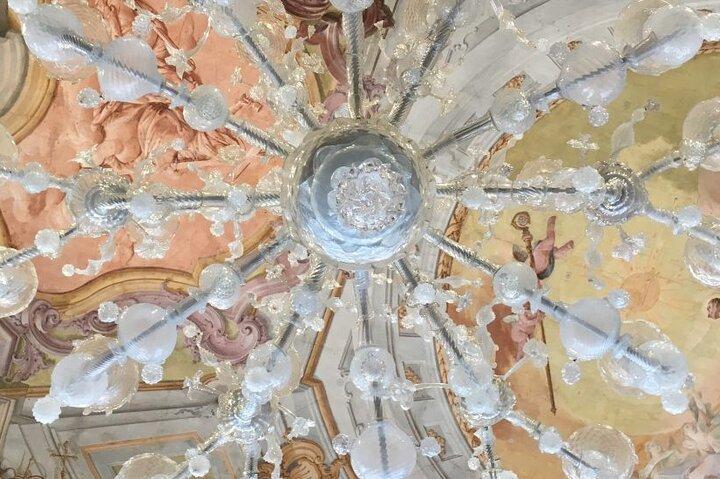
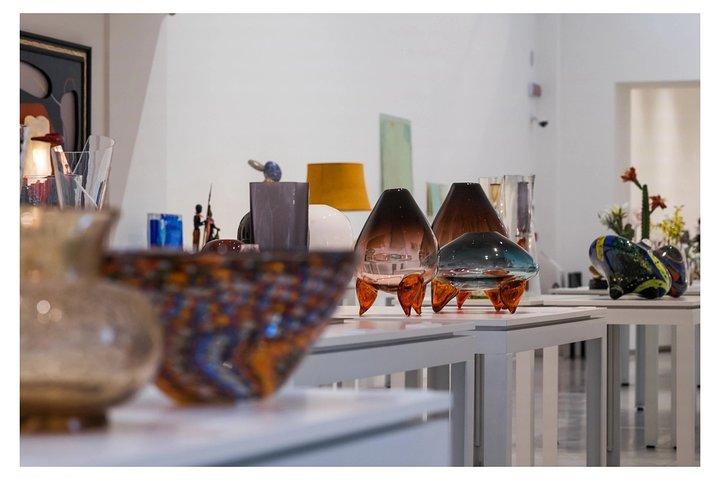
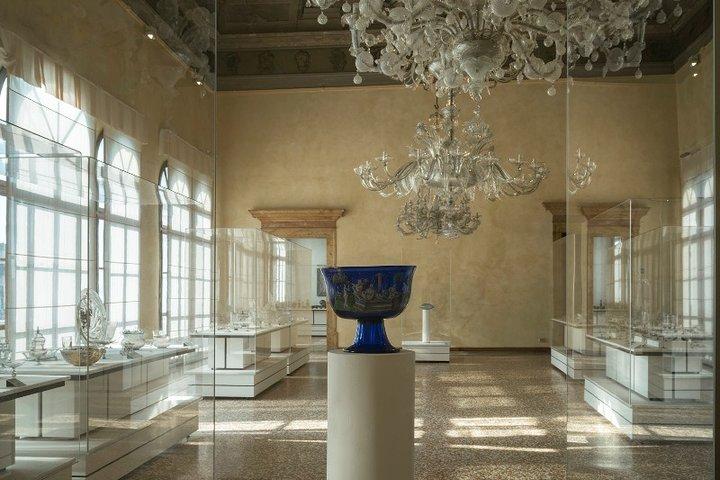
The Murano Glass Museum was founded in 1861 when the darkest period in the history of Murano glassmaking had been overcome, following the fall of the Republic of San Marco ( 1797) and the subsequent years of foreign rule. The Murano Glass Museum collection is laid out chronologically on the first floor of the museum. Starting from an archaeological section on the ground floor, which contains noteworthy Roman works dating from the 1st to the 3rd century A.D., it follows to the largest historical collection of Murano glass in the world, with pieces dating from the 15th to the 20th century, many of them world-famous masterpieces.
Tour Options
Itinerary
The Murano Glass Museum collection is laid out chronologically on the first floor of the museum. Starting from an archaeological section on the ground floor, which contains noteworthy Roman works dating from the 1st to the 3rd century A.D., it follows to the largest historical collection of Murano glass in the world, with pieces dating from the 15th to the 20th century, many of them world-famous masterpieces.
Highlights
What's included
Traveller Ratings
Important Information
- Wheelchair accessible
- Infants and small children can ride in a pram or stroller
- Public transportation options are available nearby
- Infants are required to sit on an adult’s lap
- Transportation options are wheelchair accessible
- All areas and surfaces are wheelchair accessible
- Suitable for all physical fitness levels
- On certain dates, most travelers staying outside of Venice who are planning to visit for the day will be required to pay a €5 access fee. For further details (including exemptions) and to learn what days this fee is applicable, please visit: https://cda.ve.it
Reviews(37)
It was a great experience to visit the Murano Glass Museum. Getting tickets in advance has made it easier to enter and there is no need to stand in a big queue. I have seen many beautiful and old works of Murano glass, especially some glass pieces. But for me, the museum was not as big as I thought it would be and it didn't take long to see the whole thing. Those who are interested in Murano glass will like it, but it is not a place to visit with too much time.
Upon walking in my sister and I were asked to “cover up”. Mind you I was wearing a long skirt that went to my feet and a tank top. My sister was wearing the same. We were immediately confused and felt objectified from this strange request made to us by middle aged male employees of the museum. The museum provides no information about dress codes. Many other young women were wearing clothing similar to ours, making us feel extremely targeted. Furthermore, the museum itself was underwhelming. Perhaps I would have enjoyed it more had these two middle aged male employees not disturbed our experience. This felt a lot like a means of controlling young women who are simply wearing clothing appropriate for the extreme Italian heat. I hope this is not a common occurrence. I do not condone the objectification or controlling of women in any space, especially not in a space dedicated to art and culture.
Glass Making history over the last 500 years. Displays showing glass objects produced in Venice from the Rennaissance period to the modern day
The glass museum on the outer island of Venice, "Glass Island", for an adult entrance fee of 15 euros, the general public should not appreciate the exhibits in the museum, so individuals do not think it is worth visiting.
Not worth the visit. There's nothing too much. One or another piece that draws attention. On the streets, in every store you see nicer things.
Visited 10am on a Sunday in late Jan. No queue to get in. Didn't pre-book tickets, just bought them on arrival (€15 adult, €7.50 concession). Was very quiet on arrival, but starting to get a little busier when we left. Interesting museum about the history of Murano island, and the glassmaking (NB: the museum doesn't do glassblowing demonstrations (or at least it didn't in late Jan when we went), it's only objects on display). The audioguide (in the MuVe app) gave a good guide to the items on display in each room. Took around 1-2 hours to visit; not a large museum but lots to see in each room, and the audioguide gives good detail.
I thought this interesting, good way to spend an hour, but not a "don't miss" sight for me. Good amount of information but it was delivered as long narrative in Italian and English. I don't think there was an audioguide--that might have been helpful. I just found it a little hard to digest all the info in this format. Nice collection of glass and getting the history as it relates tot his area.
Nice museum with free audio guide in different languages. We went with our 10 year old, and it is not interactive so his interest waned quickly. Better for older kids/adults. It gave good overview of glass design history and Venice's role in it. Each Sala featured a different time period. Garden area was tranquil but not extensive. The museum shop was small, but there are so many shops in Murano, you don't need a major museum shop. This is a nice to do if you are an art history buff. Not a must see.
The prices of some products in the museum shop are 2-3 euros higher than in the shops near the museum. Backpacks and umbrellas are left in the lockers at the entrance.
A sparkling 2 floor museum displaying the history of Murano Glass. Located on the canal near vaporetto. Museum shop offers made in Murano ( not China) pieces as well.