Pemba Flying Fox Forest
Description
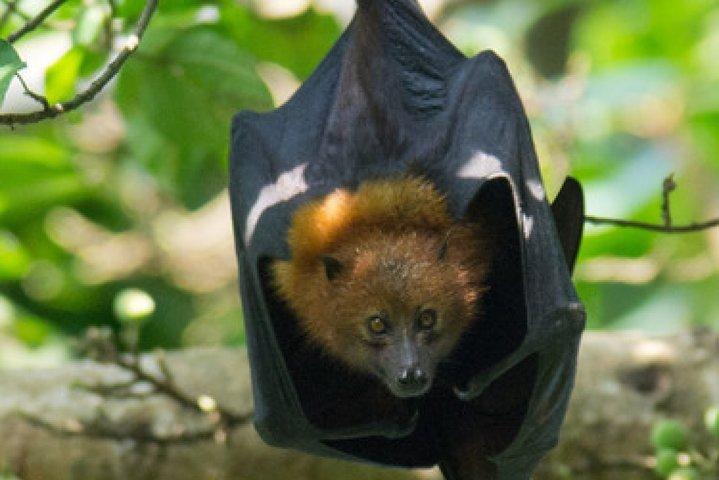
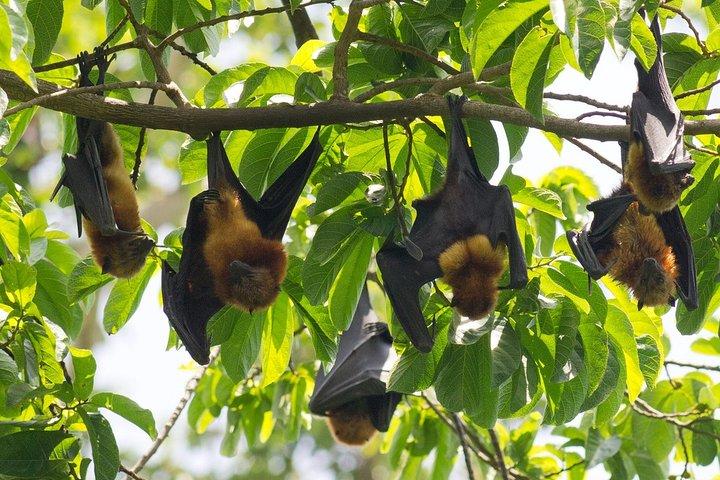
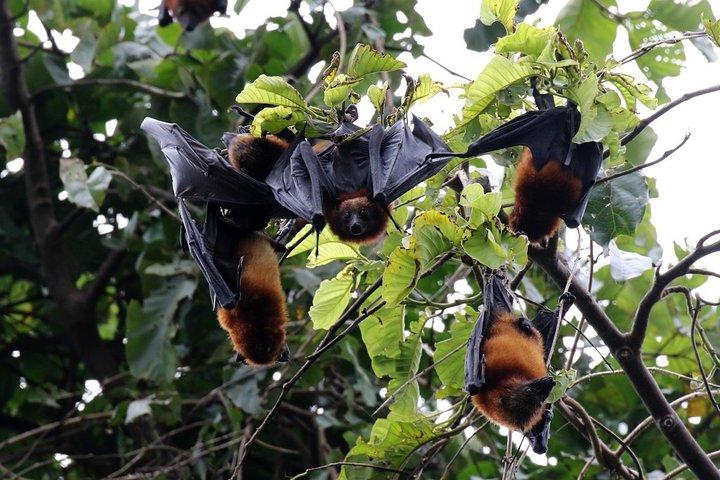
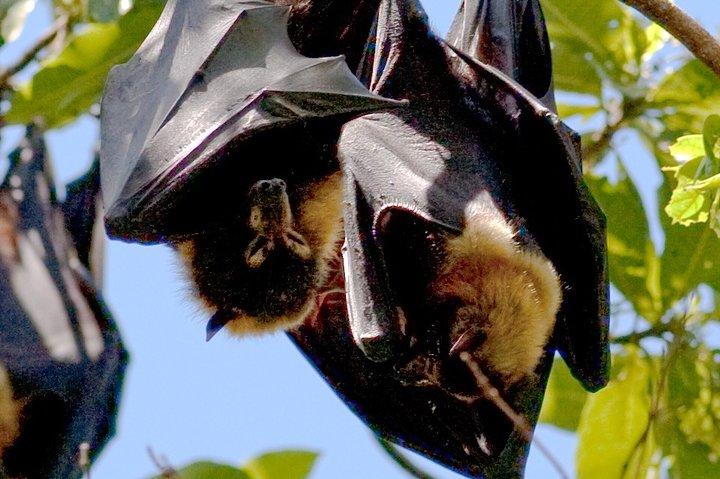
Pemba’s only endemic mammal is a large and critically endangered bat (Pteropus voeltzkowi) called “popo” in Swahili. They spend their days in trees rather than caves and the island’s biggest roosting site, home to some 4000 bats, is at Kidike Sanctuary about 10km northeast of Chake Chake. There's a large population here due to the proximity of a local burial site, which meant the colony was undisturbed. Outside peak season, ring ahead to check that someone is there. Kidike is 3.5km off the Chake–Wete road.
Tour Options
Itinerary
The Pemba flying fox is a large fruit bat weighing 400 – 650 g (0.9 – 1.4 lb.). Its diet consists of the fruit and flowers of a number of plants. Primary and secondary forest, graveyards and mangroves provide roosting sites. The Pemba flying fox is very social and has been found in large colonies until recently. The Pemba flying fox is found only on Pemba Island Tanzania. The island was originally forested, but only remnants of the primary forest remain. Estimates of the status of the Pemba flying fox have varied considerably recently. Studies in 1989 suggested a dramatic population decline, with fewer than 10 individuals being seen, and the species was considered to be on the brink of extinction. However, in 1992, surveys indicated a population in the region of 2400-3600, although it was estimated that the population may have declined significantly in the preceding decade.
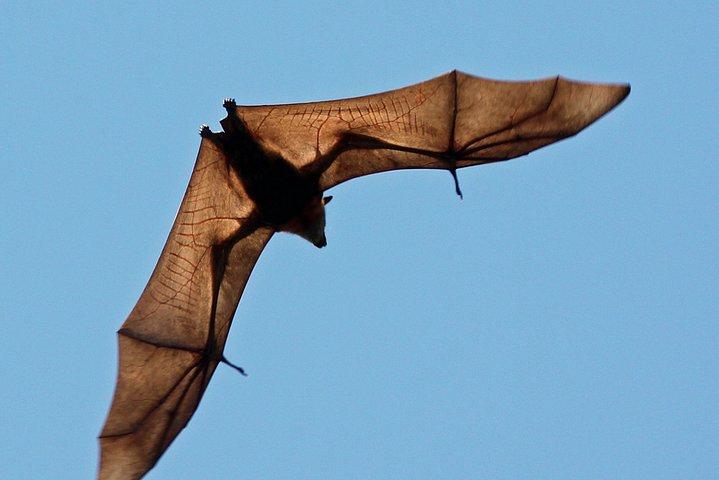
The Pemba flying fox does not appear near human settlements unless large trees are fruiting. The Pemba flying fox is the only bat species endemic to an African country. Flying foxes are so-called because of their foxlike faces. They cannot use echolocation. Instead, they navigate using vision and normal hearing. Most flying foxes eat fruit and are also called fruit bats. Fruit bats are ecologically and economically important because they pollinate and disperse the seeds of wild and commercial plants. Pemba Island is home to 4 species of Old World fruit bats (Megachiroptera). However, many villagers are unaware that there is more than one type of bat on the island, which may be a potential source of confusion in assessing the status of the Pemba flying fox.
Highlights
What's included
Pickup Locations & Times
Hotel pickups commence approximately 7 - 75 minutes prior to this time and it depends on the location of the hotel, exact pickup time will be advised on reconfirmation. Times are subject to change due to local traffic conditions.
Important Information
- Public transportation options are available nearby
- Infants are required to sit on an adult’s lap
- Specialized infant seats are available
- Not recommended for travelers with spinal injuries
- Not recommended for pregnant travelers
- Not recommended for travelers with poor cardiovascular health
- Suitable for all physical fitness levels
- A moderate amount of walking is involved