Immersive Historic City Center Tour in Rio de Janeiro
Description
Explore the rich history of downtown Rio de Janeiro, where the city was founded in 1565. Discover important landmarks such as the Imperial Palace, National Library, and stunning neo-gothic architecture while uncovering stories of Brazil's past, including imperialism and local revolutions. This immersive tour provides insights into Rio's cultural heritage through visits to historic sites like Paço Imperial and the Municipal Theater, ending with a classic Brazilian lunch at Beco das Sardinhas. - Visit key historical sites including Praça XV, Real Convento de Santo Antônio, and the Tiradentes Palace. - Enjoy a local Brazilian lunch at a popular neighborhood spot - Learn about Brazil's history and architecture from knowledgeable guides who love the city. - Tour duration from 8:30 AM to 2 PM, includes all entrance fees
Tour Options
Itinerary
Here we will learn about Cinelândia and the main theater + why the neighborhood is called cinema land.
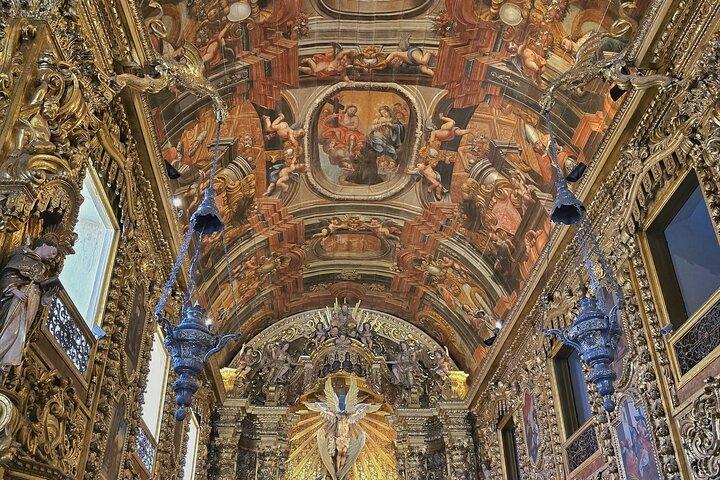
The Convent and Church of Saint Antony is a former Franciscan church and convent in Cachoeira, Bahia, Brazil. Construction on the church was likely completed in 1658. The church is dedicated to Saint Anthony of Padua and constructed in the Baroque style with a Rococo frontispiece.
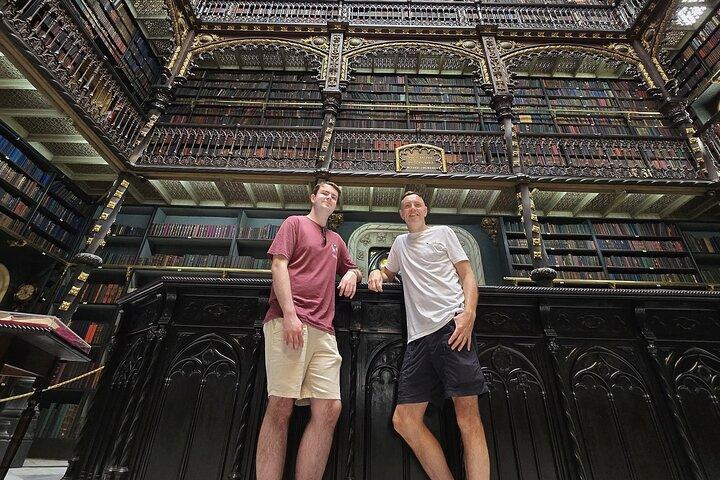
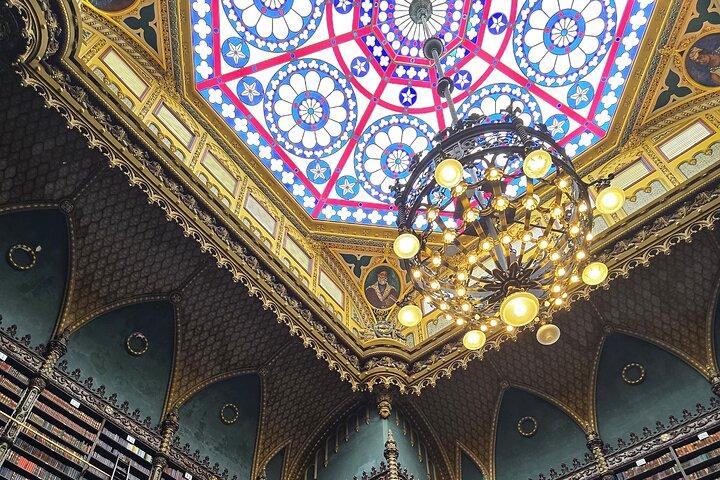
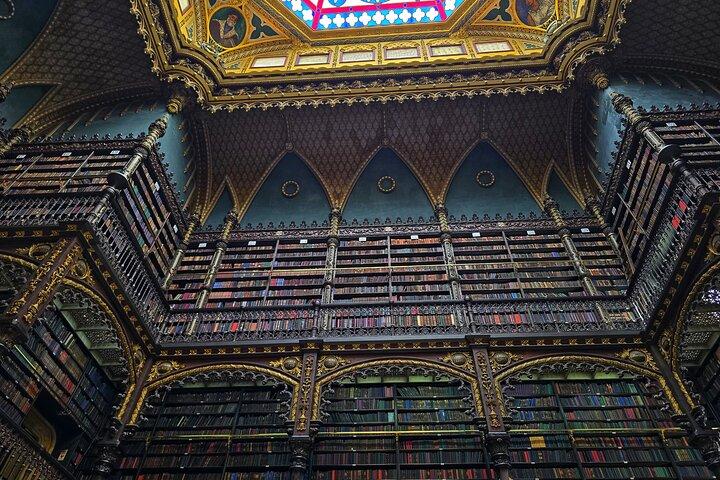
The Royal Portuguese Reading Room (Real Gabinete Português de Leitura) was founded in Rio de Janeiro in 1837 by a group of Portuguese immigrants who wanted to create a cultural and literary center for the community. Its current Neo-Manueline headquarters was built between 1880 and 1887, featuring architec- ture inspired by the Portuguese discoveries and inaugurated by the Brazilian imperial family. Today, it is one of the world's most beautiful libraries, housing an extensive collection of Portuguese works and open to the public.
The Telles Arch in Rio de Janeiro was built in 1743 by order of Portuguese judge Francisco Telles de Menezes, so that the judge's houses could serve as a passageway between Praça XV and Travessa do Comércio. The arch was declared a Historic Heritage Site by IPHAN in 1938, survived a major fire in 1790 that destroyed the Senate building and archives, and today is a historic and tourist landmark of the city, known for its bohemian and cultural atmosphere.
The Paço Imperial is a historic building in Rio de Janeiro with immense historical and cultural importance, having served as the residence of governors, the Portuguese Royal Family, and the Imperial family, as well as the site of significant events like Brazil's declaration of independence and the abolition of slavery. Originally the residence of colonial governors, it became the Royal Palace for the Portuguese court in 1808 and later the Imperial Palace, a center for governmental affairs and a stage for pivotal moments in Brazilian history, including the signing of the Lei Aurea in 1888. Today, it functions as a cultural center housing exhibitions, concerts, restaurants, and a specialized library, preserving its Legacy as a symbol of Brazil's rich past.
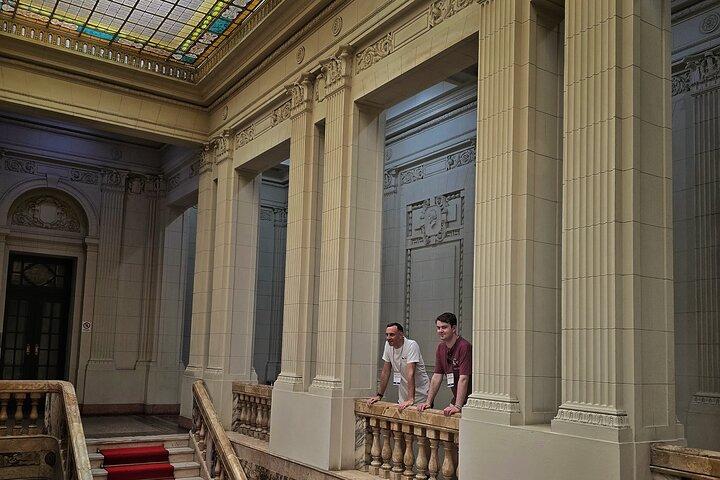
The Tiradentes Palace in Rio de Janeiro, named after the revolutionary Tiradentes, was the former seat of the Brazilian National Congress (1926-1960) and is now the home of the Legislative Assembly of the State of Rio de Janeiro. Inaugurated in 1926, the building is a significant architectural landmark repres- enting Eclecticism and the historical memory of Brazil, with its history inter- twined with the Cadeia Velha, the city's old jail where Tiradentes was held. Its import- ance lies in its past as the center of Brazilian federal power and its current role as a symbol of the state's democracy and a site for political history exhibitions.
A history of how this church came to be! Very wild.
Pedra do Sal (Salt Stone) in Rio de Janeiro is a historic- ally significant site known as the birthplace of samba and a symbol of Afro- Brazilian culture, where enslaved Africans once worked and later gathered to de- velop the music genre. Historically, it served as a salt trading post and later as a point for loading extracted stones for port construction during Brazil's colonial and slave eras. Its importance lies in its role as a center for African-Brazilian communities, religious practices, and the development of samba, and it remains a vibrant cultural hub with a weekly samba circle and a growing recognition as a significant heritage site
The Cais do Valongo is an archaeological site in Rio de Janeiro, Brazil, that served as the principal entry point for enslaved Africans in the Americas. Discovered in 2011, the site fea- tures multiple layers of historical cobble- stones, with the lowest dating to 1811 when the wharf was built to concentrate slave disembarkations. Its importance lies in its status as the most comprehensive physical remnant of the Atlantic slave trade, a site of conscience that evokes collective memory, and a UNESCO World Heritage site since 2017, symbolizing the suffering and resili- ence of African descendants and celebrat- ing Afro-Brazilian heritage.
Highlights
What's included
Traveller Ratings
Important Information
- Infants and small children can ride in a pram or stroller
- Public transportation options are available nearby
- Not recommended for travelers with poor cardiovascular health
- Suitable for all physical fitness levels
Reviews(2)
Excellent walking tour in the centre of Rio. The place is a bit suss but our guide lead us safely to hidden churches and other historical gems while giving us plenty of information. It was very informative and worth it, definitely off the beaten track. On the practical side, we had good communication to instruct where to meet, etc. Highly recommended to see a different side of Rio. Note we finished the tour in a really nice Brazilian restaurant ( this is optional)
Thank you so much for the kind review Alain! I always try to tell people visiting the center of the city is best with a guide. That may change in the future but for now there's so much to see and much is hidden so thank you again for giving me the opportunity to take you! Safe travels!
My guide Henry was extremely knowledgeable of the historical center, he provided a lot of information regarding architecture, slavery, gold and the Portuguese monarch. You could really tell he enjoys this work, especially because he talks passionately about the revitalization efforts and the cities future. We went to an excellent restaurant ran by Rafael Vidal, who Henry spoke very highly of, and we had the honor to meet him. Appreciated this tour a lot because you see so few tourists in the region, yet so much incredible history and value is there. We visited the monastery of São Bento which was mind blowing, and I absolutely loved the port region and all the beautiful art we saw. If you're looking for something more in depth with great detail, Henry and this tour is definitely a great decision to book.
Thank you again! I also appreciate you buying lunch, although totally not necessary haha. Bar Cotovelo is the restaurant/brewery we visited in Rua Carioca in the Center. Vidal is a good man! The cities history is plently and I again sincerely appreciate the review and opportunity to shoe you some of Rio's history!