Ikebana Traditional Japanese Art of Flower Arranging
Description
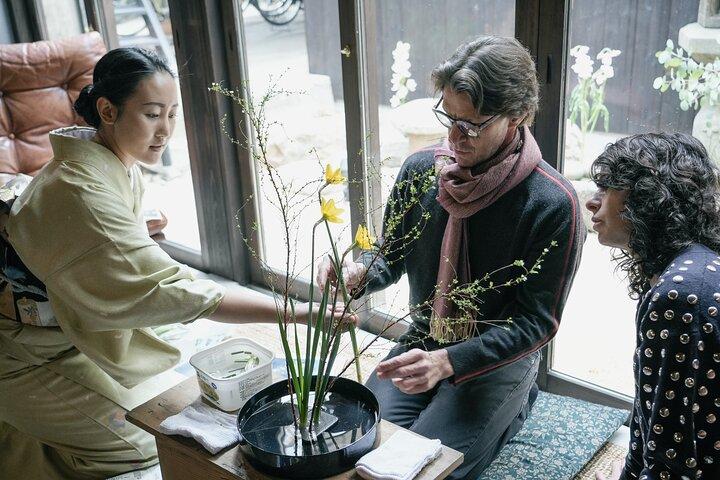
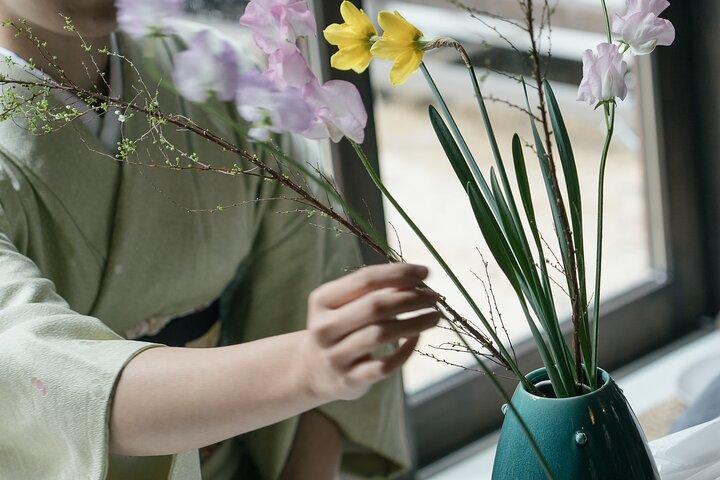
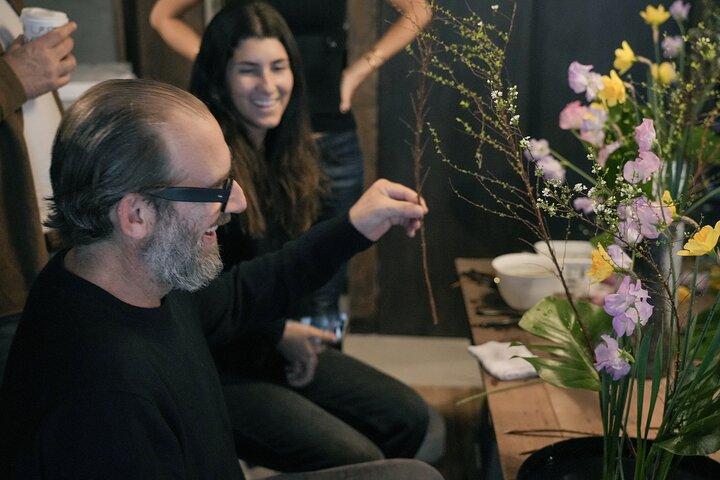
Ikebana in Japanese means "living flowers" and describes the traditional Japanese technique of arranging freshly cut flowers with the sentiment of giving the flowers a new life. The basic principle of Ikebana is to "give life to the flowers" by using each flowers natural characteristics to its advantage in creating harmony and balance with other flowers. Flowers are living beings, and they will respond to us with their "smile" when we tune into their "feelings" while pondering the arrangement. Experience a unique hands-on method of practicing mindfulness, while learning and appreciating traditional Japanese wabi-sabi minimalist aesthetics. With 300 years of history behind the art of Ikebana, you will see how Japanese artists create an ecosystem of balance and harmony in one arrangement. Not only will you learn tips and tricks to help maintain fresh flowers that will allow them to last up to two weeks, but you will learn a new skill that will elevate your appreciation for nature.
Tour Options
Highlights
What's included
Traveller Ratings
Important Information
- Public transportation options are available nearby
- Suitable for all physical fitness levels
Reviews(22)
It was a very enriching experience and teacher was very nice. she explained in simple way and the session was very informative. I am planning to use this technique back home regularly going forward . Highly recommend those who like intentional aesthetics
Mana is a very kind and intentional tutor. Couldn't recommend more to those who looking for a hands-on introduction to ikebana.
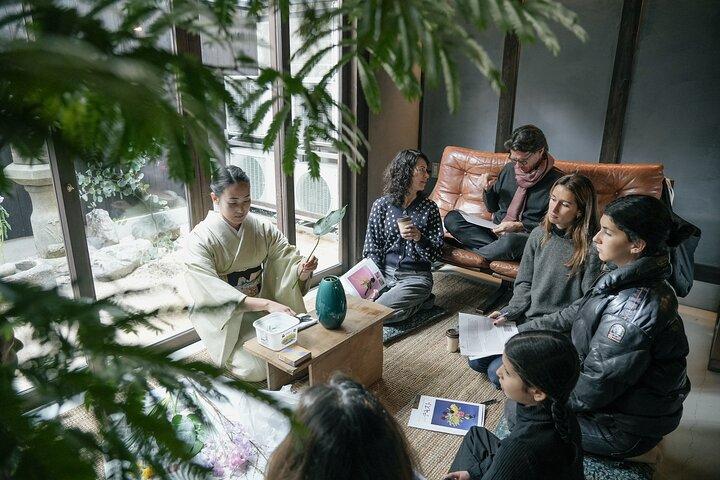
Mana created such a gorgeous peaceful environment to teach us Ikebana. She gave us great instruction and walked us through the history of Ikebana and the different schools. Such a lovely meditative way to spend your time in Kyoto. Thank you Mana :)
we got very informative lesson of how to do ikebana and many surprising details about it in japanese traditional house,
What a lovely workshop. We were shown a demonstration and then made our own ikebana arrangement. We were also given an explanation on the philosophy. It was very relaxing and engaging. The best authentic workshop we had so far! Thank you.
Very inspiring. The teacher is very experienced and speaks English perfectly. It was during the beautiful Ikebana festival in Kyoto. What a chance for us!!!
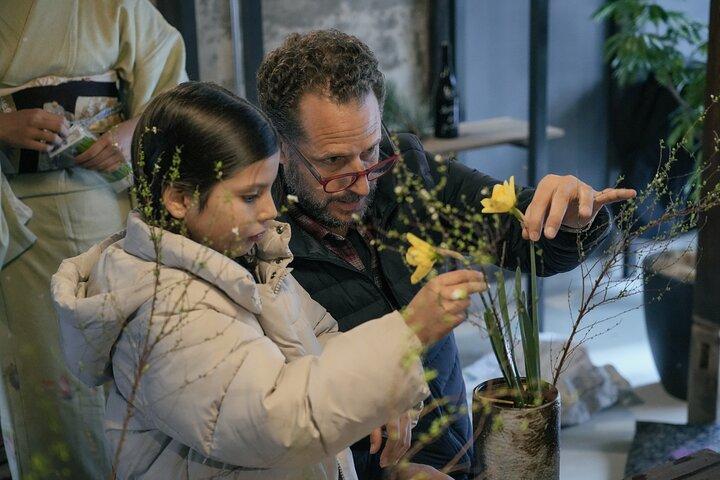
Mana’s Ikebana class was wonderful! It provided context and history to the art of flower arranging. My family and I also learned new skills to help us with our Ikebana creations for a lifetime of enjoyment. Mana’s keen eye and thoughtful input really helped take our creations to the next level. Highly recommend!!!
Yuko did a wonderful job of proving us some history of Ikebana, as well as demonstrating that it is more than just the final product, but the beautiful process.
Wonderful introduction to the ancient art of Ikebana, expertly and pleasantly conducted by Mana right in the heart of Kyoto. After a brief overview she demonstrated two flower arrangements before we were let loose to show our skills. Needless to say that only after some serious handholding our compositions became "presentable." This short class conveyed a tremendous sense of appreciation for plants and flowers and how their ability to bring harmony and beauty into our lives.
This was a nice hour. I would have liked the instructor to have discussed more about ikebana itself/ the history/ the different schools / some basic rules.
Thank you again for taking this class. I'm glad you enjoyed our short time together! Unlike other experiences offered here that are similar to mine, I teach two different ikebana styles which are the Nageire and Moribana that I've explained and demonstrated to you. These are quintessential beginner Ikebana styles that the majority of people in Japan learning Ikebana spend most of their training perfecting. Allowing my guests to explore both Nageire and Moribana without feeling rushed takes up quite a bit of time. I mention very briefly in the worksheet I gave you about the history of Ikebana as we know it today, and also a bit about the school I trained at. Upon reflection I agree that I could have done better to vocally explain this as I was demonstrating, however, I would not have been able to do justice to the extensive history of Ikebana and its significance in Japan without sacrificing your time in physically interacting with the flowers and fully work through the thought and physical process of doing both Nageire and Moribana styles. I also explained to you the most basic rule of how to measure the first stem in proportion to the vase/container that you use. Other rules in Ikebana vary from school to school, and for the purpose of this beginner class I made a judgement call based on my years of training that explaining too many rules in a beginner class would take away from the experience and not add to it, since it usually only adds confusion. Generally, only as people advance in their Ikebana training over the course of many years do they get into more specific rules for a variety of advanced styles, which was my experience while training as well. I'd like to thank you again for taking this class with me and hope you enjoyed the flowers you brought with you! I hope the information I've given you during the class is useful for your future arrangements at home.