Alhambra a Jewel of Moorish Architecture

Description
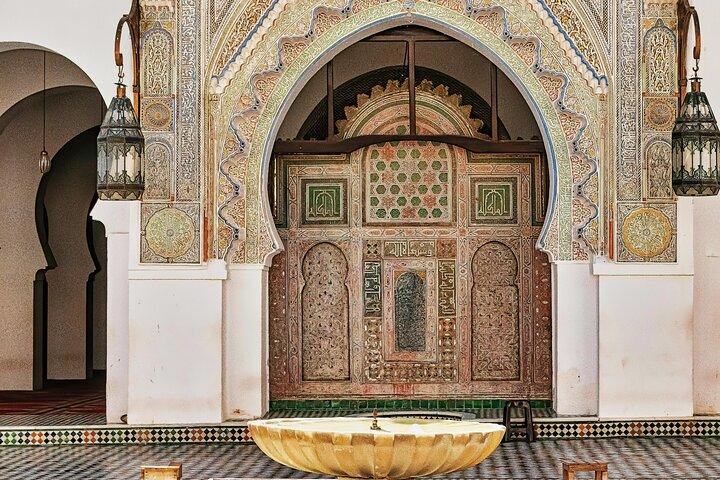
Historical Significance: The Alhambra is a testament to the cultural and artistic achievements of the Nasrid dynasty and the Islamic Golden Age in Spain. Architectural Marvels: From intricate stucco work and tile mosaics (zellige) to graceful arches and domes, the Alhambra is a feast for the eyes. Gardens and Water Features: The use of water as a decorative and cooling element is a hallmark of Islamic design, and the Alhambra’s gardens are a perfect example of this. Cultural Fusion: The Alhambra reflects the blending of Islamic, Christian, and Jewish influences, making it a symbol of Spain’s rich multicultural history. To explore this majestic complex, you can choose between two flexible options: enjoy the freedom of a self-guided tour with an audio guide to explore at your own pace, or opt for a guided tour with a live guide for a more interactive and in-depth historical experience.
Tour Options
Itinerary
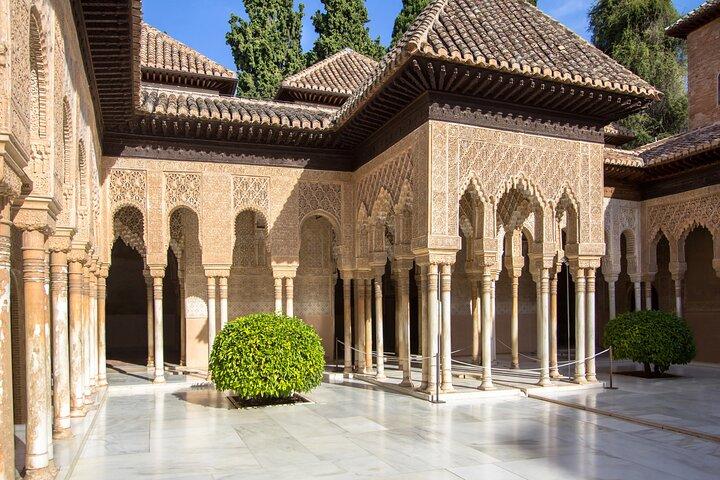
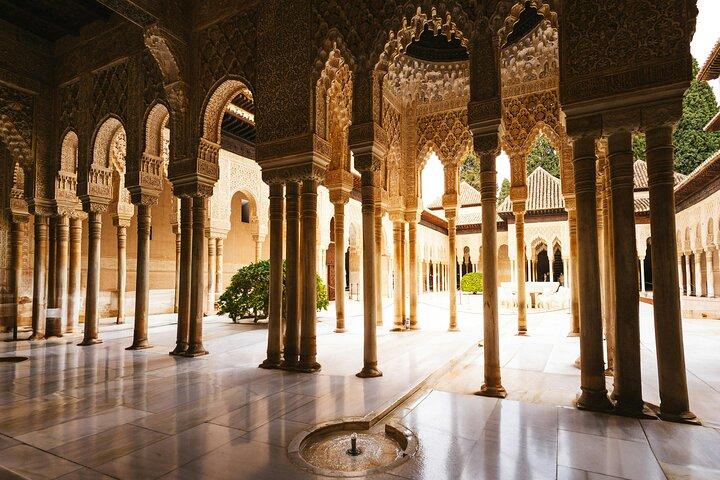
The crown jewel of the Alhambra, the Nasrid Palaces are a series of royal residences adorned with exquisite Islamic art. Highlights include: Court of the Myrtles (Patio de los Arrayanes): A serene courtyard with a reflective pool, surrounded by myrtle hedges. Hall of the Ambassadors (Salón de los Embajadores): The largest room in the palaces, featuring a stunning domed ceiling symbolizing the seven heavens of Islamic cosmology. Court of the Lions (Patio de los Leones): An iconic courtyard with a fountain supported by 12 marble lions, representing power and royalty.
The Generalife was the summer palace and leisure estate of the Nasrid rulers. Its lush gardens are a paradise of fountains, water channels, and vibrant flowers. Don’t miss: Water Stairway (Escalera del Agua): A unique staircase with water flowing down its handrails. Courtyard of the Cypress of the Sultana (Patio del Ciprés de la Sultana): A romantic garden filled with cypress trees and fragrant blooms.
The oldest part of the Alhambra, the Alcazaba is a military fortress offering panoramic views of Granada. Climb the Torre de la Vela (Watchtower) for a breathtaking vista of the city and the surrounding mountains.
A Renaissance-style palace built by Emperor Charles V after the Reconquista. Its circular courtyard contrasts with the Islamic architecture of the rest of the complex. Inside, you’ll find the Alhambra Museum and the Fine Arts Museum.
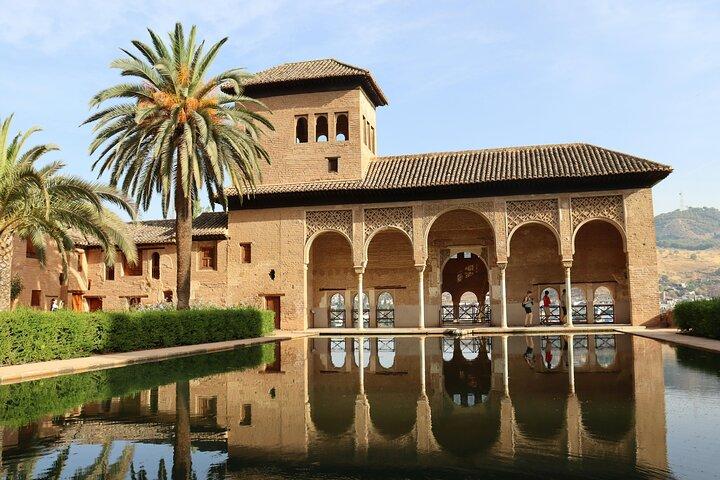
It is a tranquil area with beautiful gardens, water features, and the remains of the Palacio del Partal, one of the oldest palaces in Alhambra.
Highlights
What's included
Traveller Ratings
Important Information
- Wheelchair accessible
- Infants and small children can ride in a pram or stroller
- Public transportation options are available nearby
- Infants are required to sit on an adult’s lap
- Suitable for all physical fitness levels
- it is required to provide DNI or Passport Number at the time of booking because it is need to buy the tickets.
- It is required to Present your DNI or Passport to can enter the attraction, each participant must have it.
- PLEASE NOTE: to use the Audio Guide, you must have a Smartphone and headphones.
- Please download the Audioguide before you start the tour, where you have wifi. (once downloaded, the Audioguide works without Wifi)
- The activity provider will contact you, and send the needed information, so please provide your email address and the correct phone number with the country code. We strongly recommend having WhatsApp and regularly checking your email, SMS, and WhatsApp for updates.
Reviews(1)
Amazing visit !! The place is stunning, and the audioguide made it easy to explore at our own pace with my familia. Entry was smooth and everything well organized. Highly recommended!